
Prairies and Savannas

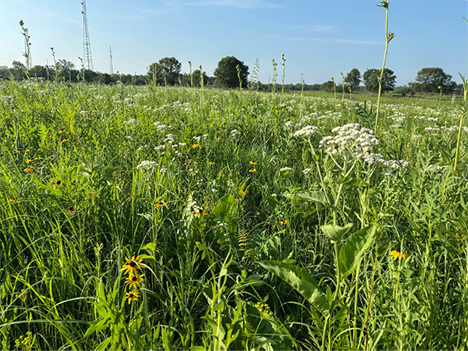
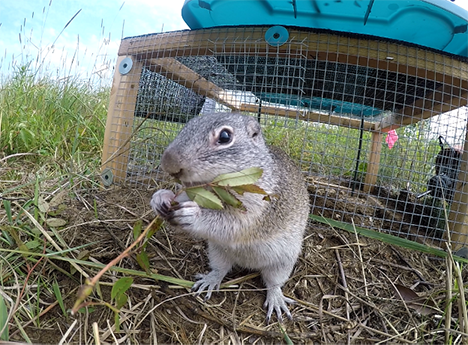
The prairies and savannas of Indiana are dominated by native grasses and herbaceous flowering plants called forbs. Tree and shrub growth is dispersed and sporadic. These ecosystems are maintained both by natural means and by human action. Very little of the pre-colonial grasslands remain; less than 1% of the state is currently covered by them. They are characterized by their native flora, including little bluestem (Schizachyrium scoparium), side-oats grama (Bouteloua curtipendula), and other grasses and herbaceous plants. Typical animal life includes bullsnakes (Pituophis catenifer sayi), woodchucks (Marmota monax), and gophers (Geomys bursarius). Indiana grasslands are also crucial habitats for many Species of Greatest Conservation Need, including birds like American bittern (Botaurus lentignosus), mammals like Franklin’s ground squirrel (Poliocitellus franklinii), plants such as Western beardtongue (Penstemon tubaeflorus) and Houghton’s flat-sedge (Cyperus houghtonii), and insects like regal fritillary butterfly (Spyeria idalia).
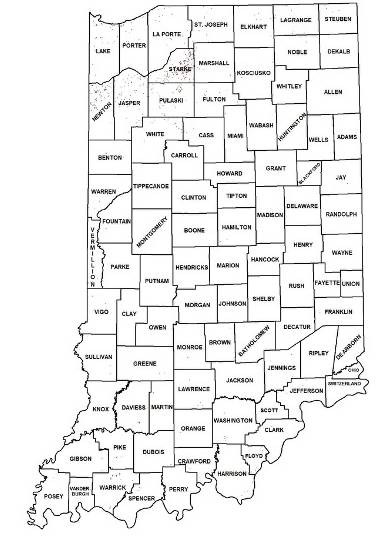
Areas classified as prairie and savanna ecosystems in Indiana in 2024.
- Ecosystem Services and Human Benefits
The vegetation in grassland ecosystems is responsible for maintaining important natural processes. As water moves through the environment, it is filtered by plants and their roots, removing sediment and chemicals and improving water quality. Plants also take in some excess nutrients that could otherwise damage aquatic ecosystems downstream. Prairie grasses also help remove particulates and pollutants like carbon dioxide from the air. Reducing air pollution decreases the incidence and severity of respiratory illness, reducing healthcare costs and sick days missed from work and school. Additionally, this carbon dioxide is removed from the atmosphere and stored, helping stabilize climate conditions and mitigate summer heat hazards.
- Ecosystem Status
Prairies and savannas once covered the northwest and west-central regions of Indiana, making up about 15% of the state. However, human settlement and subsequent land clearance, development, and neglect has fragmented the land, leaving much of the once rich prairie landscape sequestered to remnants covering less than 1% of the total land in Indiana. However, the total area of these ecosystems increased 19% from 2014-2024. Five prairie ecosystem nature preserves operate within the state, including Gibson Woods, Hoosier Prairie, Post Oak-Cedar, Sandhill, and Spinn Prairie nature preserves.
Losses of prairies and savannas have extensive consequences on surrounding ecosystems because they provide vital services such as carbon sequestration, water retention, and pollination. The deeply rooted native grasses of prairies also help maintain healthy soil within the region, protecting against soil erosion and carbon release. The impressive biodiversity found within prairies and savannas faces significant losses in light of the destruction of these ecosystems.
- Ecosystem Pressures
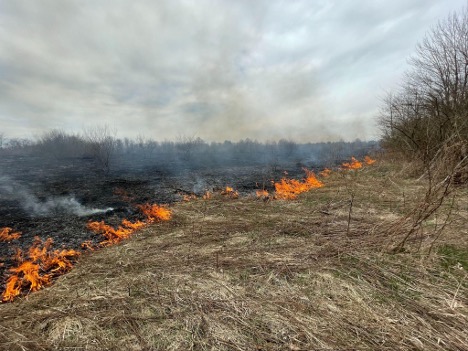
Prairie and savanna ecosystems in Indiana face major pressures from agricultural expansion into natural areas. These communities contain highly fertile soil, encouraging conversion into agricultural lands. Limited/incompatible management or human maintenance is also a pressure for these ecosystems. Loss of habitat happens quickly when prairies and savannas are neglected, as species such as shrubs and trees begin to transform the ecosystem via a natural process of ecological succession. These ecosystems require disturbance from fire to maintain their health over time, but fire suppression is common in the modern era. These ecosystems may also be affected by changes in climate patterns, which are discussed in supplemental reports for prairies and savannas. For these reasons, human maintenance is necessary to maintain them and the many species of plants and animals listed as rare, threatened, or endangered that they support.
Additional pressures that affect prairie and savanna ecosystems in Indiana can be explored here.
- Ecosystem Conservation Opportunities
Indiana retains a limited number of grasslands, so engaging existing partners to expand the use of existing conservation programs represents an opportunity to protect these ecosystems. The acquisition of native prairie and savanna lands is just the beginning, with some type of management being required for upkeep. Furthering engagement from a broad diversity of conservation programs will help scale preservation efforts and identify where they would be most beneficial in achieving statewide conservation goals.
Another opportunity to reduce pressure in prairie and savanna ecosystems is to identify and target management in priority wildlife corridor areas. Fragmentation of native prairies and savannas due to roads, railroads, and other transportation systems may be mitigated through the use of wildlife passageways. Like a bridge, these passageways allow native animals to safely cross over human-made roads to maintain their populations within the ecosystem. By connecting with key agencies including the Indiana Department of Transportation and DNR, relevant data may be used to leverage federal infrastructurefunds toward building passageways near hotspots on state roads.
Removing barriers to using native plantings presents another opportunity to protect Indiana prairies and savannas, with actions taking place at the homeowner, county, and state levels. These changes are rooted in shiftingthe perspective on native plants while educating the public on their benefits and beauty. Providing access to native plants through free programs will support these changes with easy accessibility. The formation of a statewide coalition may also serve to identify existing groups to partner with and encourage legal updates that support native planting.