The Indiana Family and Social Services Administration, the Division of Disability and Rehabilitative Services and the Bureau of Disabilities Services, a bureau within the Division of Disability and Rehabilitative Services, created the Innovation Pilot Project Grants to provide opportunity for home and community-based services providers, non-provider community entities, self-advocates, and families to explore new means and methods to support and address outstanding needs among Hoosiers receiving services from BDS. These grant funds are made possible by the American Rescue Plan Act funds Indiana received from the federal government and are specifically targeted at improving services and supports for individuals with disabilities and their families.
Pilots offer an opportunity to:
- Demonstrate new service models that could be expanded and adopted more broadly;
- Build private/public partnerships to expand opportunity for employment and community engagement among those receiving BDS services;
- Investigate unique ways of meeting expressed needs of individuals seeking or receiving services from DDRS/BDS; and
- Generally, explore ways of improving the lives of Hoosiers with intellectual and developmental disabilities.
The focus and scope of the proposals received as part of the IPP grant opportunity is by necessity quite broad. The goal of this opportunity was to give maximum flexibility to explore and test new ideas, expand innovative approaches, and just do things differently with an aim of improving the supports and services we provide. The targeted areas of interest and focus are based largely on known areas of need, existing recommendations from the 1102 Taskforce and individual and family stakeholder feedback.
Projects were divided into three funding tiers to allow the maximum number of IPPs to be funded. These funding levels were determined by BDS based on the scope of the project and estimated funding necessary. See the key below which details the funding tier for each approved project.
* Tier 3: These projects have no specific dollar limit but are funded based on the specific scope and project plan submitted to DDRS.
* Tier 2: These projects are approved for a maximum of $250,000.
* Tier 1: These projects are approved for a maximum of $100,000.
Below you will find a one pager on each IPP project, which have been divided into focus areas.
IPP Focus Area
Community Partnership/ Community Change
- Abundant Quality Care: Designing better housing opportunities
- Easterseals Crossroads: Inclusion through community access
- LEL Home Services: Inclusion works for employment
- Tangram: Adult changing stations
- The Arc Greater Boone County: Main street employment
- Volunteers of America Mid-State: Belonging matters
Information and Skills for Individuals
- Advocacy Links Resource and Advocacy Center: Purposeful life and community engagement
- Arc of Evansville: PEERS social skills for ages 10-17
- Connections Case Management: Resource fairs
- Connections Case Management: Welcome to waiver
- Indiana Family To Family: Outreach, communication and engagement project
- Merry Juerling: Balanced cents: Roots of personal finance
- Optimal Rhythms: Optimal ACCESS
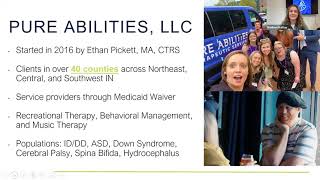
- Pure Abilities: Bridging the gap
- SIRS: Young adult solutions
- Logan Community Resource Evaluation of PEERS social skills
Supporting those who Support
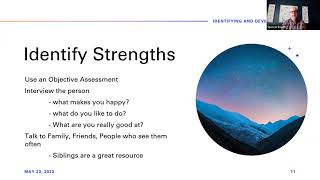
- Booth and Company: Using and developing strengths and advocating for supports
- IPMG: Employment training for case managers
- IU/HANDS in Autism: Bridging the Gap
- Morning Light and Tangram: Hospice and palliative care training
- Stone Belt Arc: Spiritual support program
- Sycamore Services: Smart home technology for residential care
- Tendercare: Tendercare advantage
- Wabash Center: DSP mental health toolkit
Support through Technology
- CommuniCare: Never Alone - telehealth services and supports
- Hillcroft Services: Technology independence
- Night Owl: Enhancing remote support technology
- Night Owl: Remote supports education
- StationMD: Specialized telehealth and complex case support
- Sycamore Services: Virtual reality and learning
- SafeinHome: Remote supports on the FSW waitlist
Exploring Current Models of Payment and Services
- Abby Key Consulting: Behavioral care training for caregivers
- DSI: Value-based payment with employment outcomes
- Dungarvin: Hosted shared living
- Easterseals Arc: Value Based Approach to Residential Habilitation
- Erskine Green Training Institute: EGTI at Allison Transmission
- GXO:- Game Changing Fresh Start-Eliminating Barriers Empowering Potential
- Insights-ViaQuest: Behavioral supports in Indiana: A foundation for redesign
- Kestrel Behavioral Health: Best practice model of level one supervision
- Keys for Success: Group music therapy and community events
- New Horizons: Peer support model
- New Star: Shared living companion model
- Resounding Joy: Virtual music therapy
- Reach Columbus: REACHability employment training
IPP Webinars