Traffic Incident Management (TIM) is committed to enhancing safety, efficiency, and the flow of traffic across Indiana's roadways by providing the TIM community with comprehensive resources, and effective tools to promote a planned and coordinated multi-disciplinary response to traffic incidents. Whether you're a first responder, transportation professional, or motorist, this platform is designed to keep you informed, connected, and prepared.
Indiana TIM Mission and Goals
Indiana TIM Mission
Indiana TIM is dedicated to bringing stakeholders together to efficiently manage traffic incidents while advocating quick safe clearance and the latest training. Through outreach and local and statewide meetings, the Indiana TIM team will promote the three Cs of TIM - Communications, Coordination and Cooperation.
The goals that support the mission statement are described as:
- Communications - Enhancing the lines of communication between stakeholders, in addition to the traveling public to promote a more accurate and timely informed ecosystem.
- Coordination - Establishing a network of TIM Teams that will share their best practices to promote lifesaving safety, timely response, and notification ideologies, amongst other best practices.
- Cooperation - Stimulating the sharing of resources in the form of multi-stakeholder TIM training opportunities, tabletop exercises, and other exercises that promote incident response cohesion.
"Incidents Managed, Roads Restored" is a tag line that most clearly defines the purpose of the Indiana TIM program and is applied to all published documentation coming from its initiatives.
The Indiana TIM program’s purpose is guided by a mission statement that embodies a clear purpose for the program, helping its stakeholders understand their goals and focus their collaborative efforts. The mission statement intends to align all TIM team actions with the program’s goals, fostering unity and consistency in line with the TIM National Unified Goals. It is a combination of the mission statement and its goals that define the core values to all participants, reinforcing the program’s identity and reputation.
Traffic Incident Management (TIM) Training is essential for anyone who responds to incidents on or near roadways. Each minute spent on scene increases the risk of responders being struck and secondary crashes occurring. TIM training provides the skills and coordination needed to keep responders safe, clear incidents quickly, and protect the traveling public.
Benefits to Your Agency
✔ Responder Safety
Strengthens on‑scene safety and helps protect personnel by decreasing the likelihood of struck-by injuries and fatalities
✔ Free Training
All TIM courses are offered at no cost to your agency
✔ On-Site Convenience
Courses are delivered at your location by certified trainers
✔ Build Internal Capacity
The Train-the-Trainer course allows your personnel to become certified instructors
✔ Supports Morale
Demonstrates that responder safety is a top organizational priority
Training Opportunities
- TIM In-Person Responder Training
Covers operational best practices for safe, efficient incident response - Online TIM Responder Training (ACADIS Online LMS Training - Traffic Incident Management)
Self-paced online version allowing responders to complete TIM training anytime - TIM Train-the-Trainer (TtT)
Certifies participants to teach TIM within their region
To request an In-Person TIM training, or TtT course, please click here.
Train-the-Trainer Program
- The Train-the-Trainer (TtT) program prepares volunteer first responder instructors to deliver the Traffic Incident Management (TIM) Responder Training to emergency personnel across Indiana
- The Indiana TIM Partnership is actively recruiting experienced responders from local and state agencies, as well as private response companies, to join the instructor network. Increasing the number of qualified instructors helps ensure more responders statewide receive this lifesaving training
- Participants complete an eight hour instructor course, led by an FHWA certified trainers, where trainers learn effective teaching techniques, course delivery methods, and best practices for promoting safe and coordinated incident response
TtT Participant Expectations
- Serve as a certified TIM champion within your agency and region
- Commit to teaching at least two 4-hour TIM Responder Training sessions per year
- Have prior experience in training, teaching, or public speaking
- Must have first completed the 4-hour National TIM Responder Training
FHWA National TIM Responder Training Course Lesson Overview
- Introduction: Explains what TIM is, why it matters, and the risks responders face at roadway incidents
- Laws, Standards & Terminology: Outlines the key laws, principles, and shared terminology that guide safe, quick clearance
- Communication & Command: Describes how dispatch, transportation centers, and ICS work together to ensure coordinated incident response
- Vehicle Positioning: Covers proper placement and blocking of emergency vehicles to protect responders and create a safe work zone
- Scene Safety: Emphasizes high-visibility apparel, emergency lighting, and safe movement around active traffic
- Traffic Management: Defines the components of a TIM area and how to set up advance warning, tapers, and buffer space
- Scene Hazards: Identifies common hazards such as fires, hazardous materials, and fluid spills that responders may encounter
- Clearance & Termination: Explains tactics for quick clearance, towing coordination, and safely returning the roadway to normal operations
The Results
TIM training saves lives, reduces secondary crashes, improves interagency Communications, Coordination and Cooperation, and ensures safer, faster, and more consistent roadway incident operations.
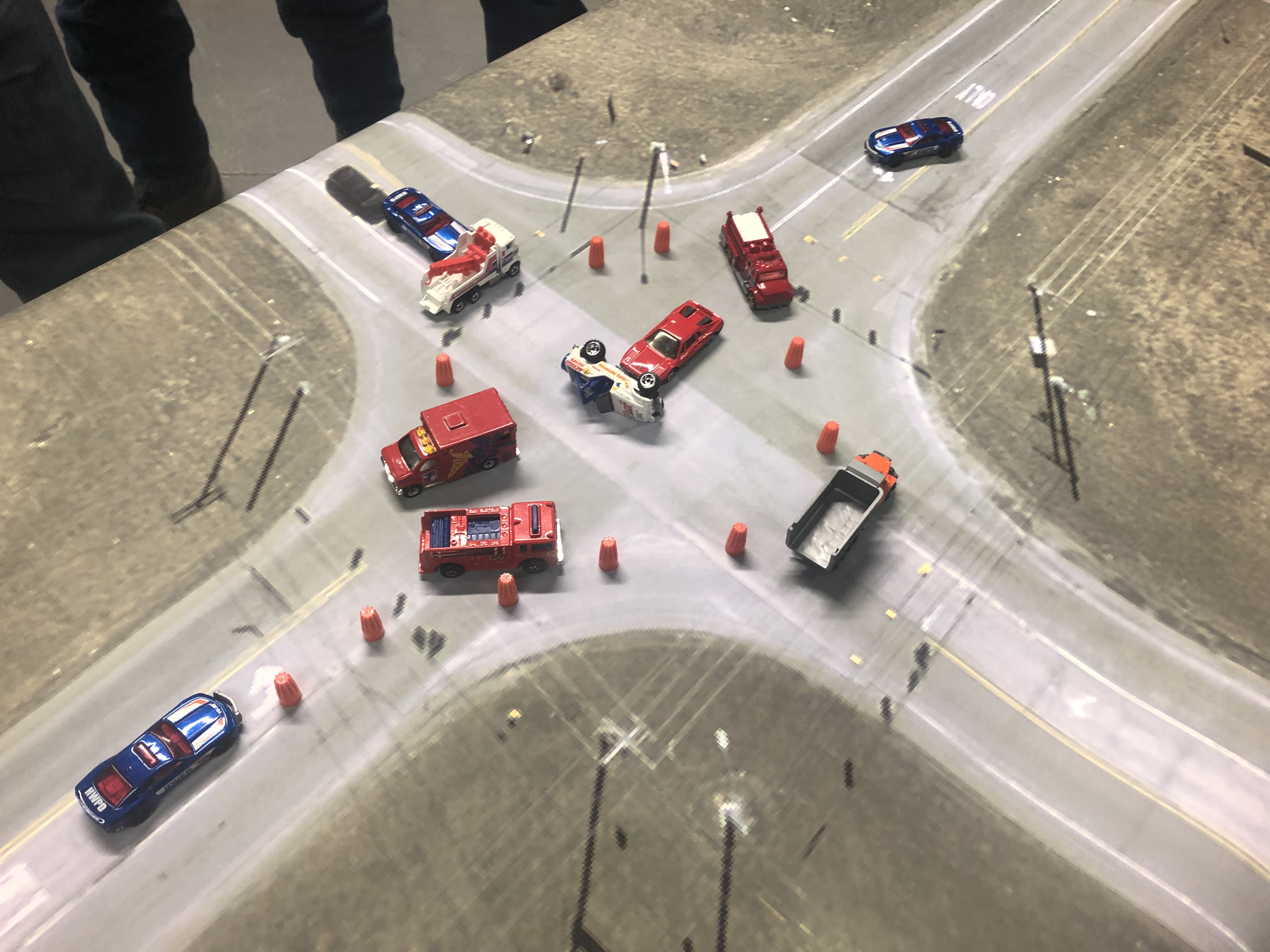
These laws are designed to protect everyone on the scene of an incident—as well as the traveling public—by promoting safe, quick clearance and restoring traffic to normal as efficiently and safely as possible.
Indiana Laws Related to Responder Safety and TIM Safe, Quick Clearance
Indiana Move Over or Slow Down Law
- IC-9-21-8-35 Vehicles displaying flashing lights; yield right-of-way; violation
- Indiana’s Move Over Law requires drivers to move over when approaching any vehicle with flashing hazard lights activated, including emergency responders, service vehicles, and disabled vehicles. This applies to all Indiana roads, including two-lane roads, where moving over a lane might not be possible. In this case, or in the event you can’t safely switch lanes on a four-lane road, drivers should slow down to 10 mph below the speed limit to avoid a violation.

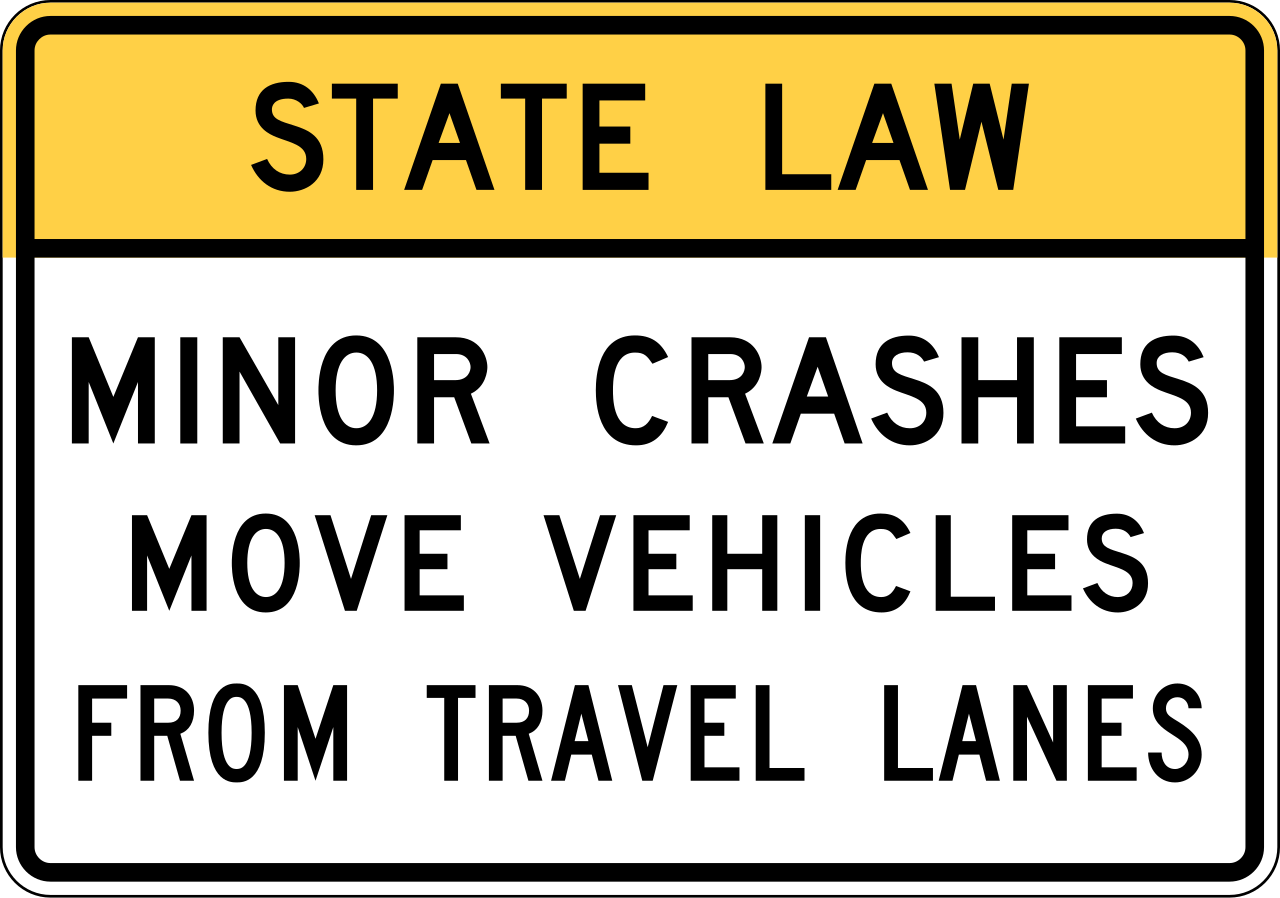
Indiana Move It Law
- IC-9-26-1-1.2 Duties of driver of motor vehicle involved in an accident resulting in traffic obstruction; violation
- Sec. 1.2. (a) If, after an operator of a motor vehicle is involved in an accident, the operator's motor vehicle comes to a stop in the traveled portion of a highway, the operator shall, as soon as safely possible, move the motor vehicle off the traveled portion of the highway and to a location as close to the accident as possible. However, the operator shall not move the motor vehicle if the accident:
- involves the transportation of hazardous materials; or
- results in injury or death of a person or the entrapment of a person in a vehicle.
- Sec. 1.2. (a) If, after an operator of a motor vehicle is involved in an accident, the operator's motor vehicle comes to a stop in the traveled portion of a highway, the operator shall, as soon as safely possible, move the motor vehicle off the traveled portion of the highway and to a location as close to the accident as possible. However, the operator shall not move the motor vehicle if the accident:
Indiana Limited Liability Law / Hold Harmless Law
- IC-9-22-1-32 Liability for loss or damage to vehicle or vehicle parts
- Sec. 32. The following are not liable for loss or damage to a vehicle or parts occurring during the removal or storage of a vehicle or parts under this chapter:
- A person who owns, leases, or occupies property from which an abandoned vehicle or its contents or parts are removed
- A public agency.
- A towing service.
- An automobile scrapyard.
- A storage yard.
- An agent of a person or entity listed in subdivisions (1) through (5).